The precise wok looks like a new instrument in a customary orchestra. It doesn’t combat your stove or your arms. It rewards you with seared edges and smooth centers, sleek sauces that hold with no drowning. Most learners ask the equal question at the counter: what length wok do I need? The reply is much less about a unmarried range and extra about the way you prepare dinner, for whom, and on what warmness. Still, there are sizes that welcome freshmen and publication them closer to self belief. Let’s map the terrain with precision and a slightly of indulgence, since cooking with a wok deserves either.
Why wok measurement issues extra than you think
A wok isn’t only a bowl of steel. The curve, diameter, and depth examine how delicacies movements, how warm concentrates, and the way effortlessly moisture evaporates. Get it too small and also you steam in preference to sear. Get it too super and also you war to preheat evenly, above all on a residence burner. Size possible choices also impact your balance and wrist convenience. A wok that asks for 2 arms and a prayer at any time when you elevate it received’t be your weeknight loved one.
There is a sweet spot for maximum home kitchens: giant ample for proper tossing and heat, compact adequate to are compatible underneath a variety hood and over a essential burner, with sufficient surface place to brown as opposed to stew. The number that nails this for a lot of newbies is 12 to fourteen inches in diameter on the rim.
Start along with your stove, no longer your appetite
Most home gasoline burners produce between 7,000 and 18,000 BTU. Induction and electric powered coil tops differ, but the hob length and warmth delivery are typically centered in a smaller circle. A eating place wok burner can blast above 100,000 BTU and cradle a 16 to 18 inch wok with out blinking. Your kitchen should not. Respecting that boundary makes your nutrients more advantageous.
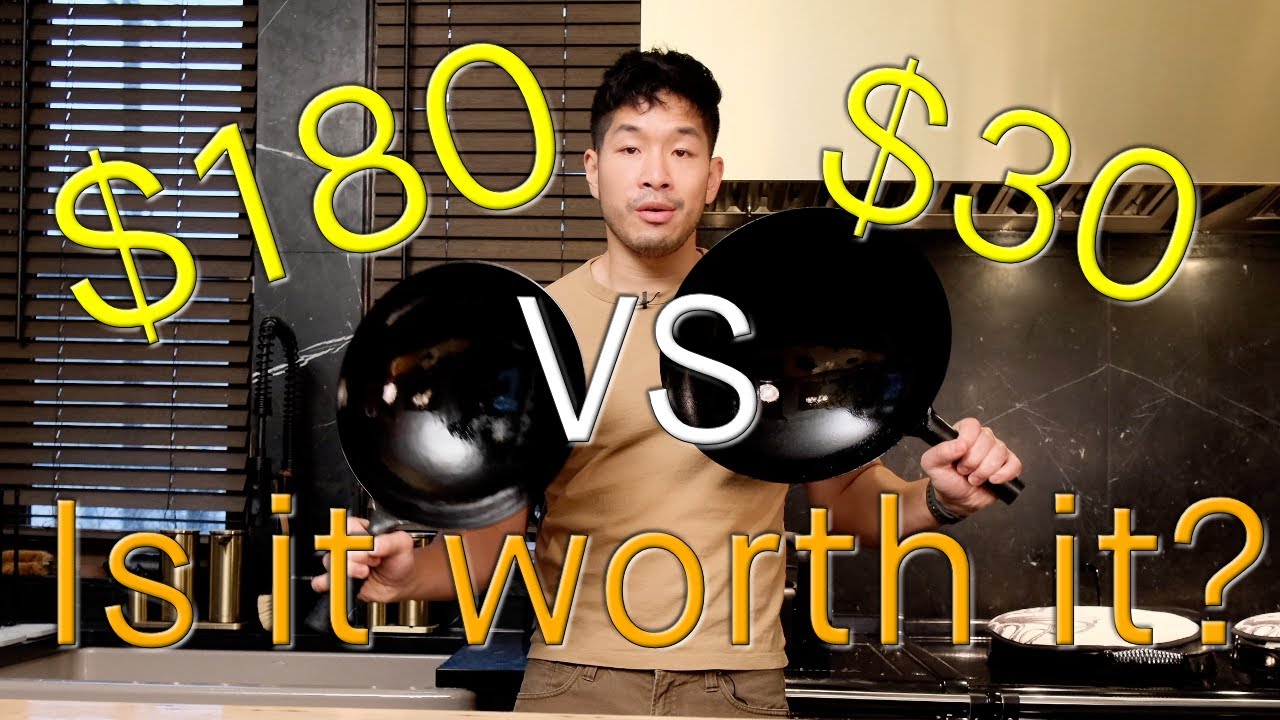
On a regular fuel wide variety, a 14 inch carbon steel wok with a circular backside sits simply on a wok ring, regardless that it hovers farther from the flame and loses some efficiency. A flat bottom variant makes direct contact with the grate, which allows in the event you don’t have a wok ring or in the event you cook on electrical or induction. A 12 inch wok will heat speedier and is less demanding to take care of on smaller burners, but it will really feel tight when cooking for extra than two.
If you cook on induction, be certain your hob diameter and that it “sees” the wok’s base. A flat-bottomed 13 to fourteen inch wok with a base of five to 6.five inches works smartly. For electrical coil or glass-peak stoves, flat-bottomed is just not negotiable, and you would desire 12 to 13 inches to shop extra of the bottom over the hot area.
The quiet luxury of the exact fit
You understand you picked the true measurement when preheating takes two to four minutes on medium-excessive warmth, oil swirls and shimmers devoid of smoking, and your aromatics perfume the kitchen in seconds. Ingredients should always acquire on the hot core and scoot up the cooler aspects with out flinging onto your backsplash. When you toss, the meals arcs and returns to the freshest area, no longer into your lap.
In my kitchen, I avoid a 14 inch flat-bottom carbon steel wok for domestic stir-fries and a 12 inch for quickly solo foods. The 14 lives on the front-left gas burner, the handiest one that reaches close 18,000 BTU. The 12 inch has done several nighttime scallion eggs with no making me give some thought to forearm power. If you inquire from me quietly what dimension wok do I need to begin, I default to 14 inches for a spouse and children of 3 to 5, and 12 to thirteen inches for one to two of us, highly on modest warmness.
Round-backside vs flat-backside transformations the math
The profile of the wok alterations how dimension behaves. Round bottoms are average for a cause. They concentrate warmth at a level and make tossing hassle-free. On a powerful gas flame with a wok ring, a 14 inch around-backside wok sings. On an electric hob, it sulks. You’ll combat balance and warmth move.
Flat-backside woks increase the base, which is ideal for induction and electric. On fuel, they nevertheless participate in properly, nonetheless the heat does not wrap the sides as dramatically. Because the flat base spreads the hot region, one could effectively move somewhat greater, which is why 14 inches flat-backside is a best newbie’s decide on even on a mid-potential fuel range. Your stir-fries will still caramelize rather then weeping right into a puddle.
Capacity, volume, and the meat-to-pan ratio
The excellent size preserves the quintessential meat-to-pan ratio that makes wok cooking style like wok cooking. Overcrowd the center and you capture steam, which cools the floor and grays the protein. Underfill it and your aromatics scorch prior to the principle components arrive.
As a hard support, a 12 inch wok supplies you a comfy working batch for:
- eight to twelve ounces of sliced protein plus 2 to a few cups of cut vegetables, or a beneficiant noodle stir-fry for one, pale for 2.
A 14 inch wok handles:
- Up to 1 to at least one.25 pounds of sliced protein plus three to 4 cups of vegetables, or a hearty noodle stir-fry for 2 to three, with room to toss devoid of spillage.
Notice what this suggests: in spite of a 14 inch wok, you continue to cook dinner in batches for a crowd. If you've six hungry guests, sear the protein in two rounds, then mix. The higher diameter gives you pace and manipulate, now not a license to cook dinner for an army in one move. This is where many learners vacation.
One deal with or two, and how it affects size
Handle design transformations how a wok feels at scale. A pow wok has a single lengthy control and a small helper loop. A Cantonese wok has two loop handles. The single tackle makes tossing with one hand hassle-free, awfully should you are discovering to flick the center up the perimeters. It additionally acts as a lever whenever you tilt and plate. The moment you go past 14 inches, however, a unmarried-cope with carbon steel wok can get heavy once nutrients is inner. If you want a 15 or 16 inch diameter for pleasing, the twin-loop Cantonese flavor becomes more purposeful.
For newcomers, a 14 inch unmarried-cope with carbon steel wok is the candy spot. It is substantial satisfactory for correct tossing and component flexibility, gentle satisfactory to boost with one hand, and compact enough to briskly heat. If your wrists are sensitive or you have a slab-ideal range, a 12 to 13 inch single-tackle may additionally suppose extra agile.
Material and thickness boost the size decision
Carbon metallic is the running chef’s desire for a cause. It heats speedy, cools rapid, and seasons right into a semi-nonstick surface with use. It can be pale in comparison to solid iron. In carbon metal, thickness issues greater than brand hype. A 1.5 to 2 millimeter thickness on a 12 to fourteen inch wok strikes a good stability between responsiveness and stability. Thicker than 2.zero millimeters, and your preheat time grows. Thinner than 1.four, and the wok hotspots and warps greater definitely, above all on induction.
Cast iron woks preserve warmness good, which sounds romantic unless the fact of preheating a 14 inch solid iron vessel on a essential burner units in. On a weak range, you will on no account totally improve temperature after adding cold protein. If you love solid iron, continue it within the 12 inch vary, and expect a deliberate speed. Stainless tri-ply woks appearance sharp and easy actually yet do not season like carbon steel. For top-warm searing, stainless tends to paste once you get timid with your temperature. If you might be severe about wok hei and pace, carbon metal stays the maximum forgiving and moneymaking.
Ceiling height, cabinets, and hood clearance
Architectural realities intrude with romance. Measure from your cooktop for your hood. Most 14 inch woks with an extended take care of stand five to six inches tall, and you need a further four to 6 inches of clearance to toss appropriately. If your hood sits low otherwise you prepare dinner underneath shelves, a 12 to thirteen inch wok will maintain oil kisses off the picket and spare your knuckles. Strong air flow things. A roaring fuel burner underneath a 16 inch wok with out a capable hood will fragrance your home with smoke for hours. If your hood is ornamental in place of purposeful, prefer 12 to 14 inches and store your batches modest.
The case for 14 inches because the first serious wok
Let’s tackle the straight forward style of the query in an instant: what size wok do I need if I’m deciding to buy my first and prefer a reliable workhorse? For such a lot domicile chefs on fuel, a 14 inch, flat-backside carbon metal wok with a unmarried deal with is the maximum flexible and forgiving option. It allows you to sear a pound of steak strips with out steaming, toss noodles for two-to-3 readily, and bloom aromatics devoid of tipping them onto the burner. It preheats swiftly on a respectable front burner and fits underneath maximum hoods.
There are exceptions. If you cook simply for your self or you have got a small electric powered cooktop, a 12 inch flat-backside will serve you properly. You will gain knowledge of the motions turbo on account that you’ll handle the pan extra actual and you'll not desire to crank the warmth to compensate for mass. If you already personal a successful 20,000 BTU burner or a dedicated outside wok burner, suppose free to graduate to a sixteen inch spherical-backside. That is a specialised pleasure, no longer a newbie default.
How a 0.5 inch modifications your results
These feels like small steps, yet a half inch the following contains a truly difference in volume and surface aspect. A thirteen.5 inch wok occupies the distance among 12 and 14 that many European and Japanese manufacturers choose. On an induction hob, it as a rule performs more suitable than a 14 considering the flat base overlaps the coil extra completely. On a ten,000 BTU gas burner, the slightly smaller diameter translates to speedier warmth restoration when you upload cold hen or tofu, which makes browning more reputable.
If you live in a compact kitchen, that 1/2 inch will also be the difference between slipping the wok into the oven for garage or pulling out a stepladder for a high cupboard. Practical luxurious is deciding on the device that avoids useless friction.
The definitely cooking house is not very the rim
New vendors get seduced with the aid of the rim dimension, then annoyed via the cramped sizzling spot. The suitable cooking floor is the six to eight inch bullseye in the core. That is where Maillard takes place. The sloped facets are for staging, no longer for browning. The better the wok, the larger the bullseye, up to the boundaries of your burner’s flame width.
On a 12 inch wok, your bullseye may be five to 6 inches. On a 14 inch, it expands to six to 8. That added inch determines no matter if your moment handful of mushrooms touches hot metallic or perches in a sauna. This is why extreme stir-frying on a ten inch wok appears like cooking in a teacup. Save tiny woks for decorative shelves and road meals vendors with 200,000 BTU rigs.
Two woks or one
If you want just one, pick out the scale that highest quality suits your burner and generic parts. If you would justify two, pair a 12 inch with a 14 or 16. The 12 ends up your breakfast and rapid noodle wok. The greater pan becomes your dinner and entertaining wok. I cook efficient beans blistered within the 14, with garlic tossed in at the finish, and I poach eggs in chili oil within the 12. On weeknights, I desire velocity and management, no longer a shoulder training.
What newcomers mistakenly prioritize
People often fixate on diameter and neglect the relax. They opt a 16 inch wok with a heavy-gauge wall, then wonder why fried rice stays light. Or they choose a cute 10 inch pan, the best option for an omelet, then ask why bok choy weeps. Size interacts with heat. Material interacts with size. Handle layout interacts with wrist capability. The correct selection emerges from stability.
Another not unusual mistake is imagining the wok as a deep pot. Yes, that you would be able to shallow-fry in it. Yes, you possibly can steam with a rack. But the center identity of a wok is excessive-warmness, immediate move, and stratified temperature zones. That identity begins to fray if the wok dwarfs your warmth supply or overwhelms your ventilation.
How to settle on, within the kitchen you already have
Use this as a realistic, five-minute pastime to land the true length the first time.
- Stand at your range and seriously look into your strongest burner. If that's at least 12,000 BTU or your induction hob is nine inches or increased, plan for a 14 inch flat-backside carbon metallic wok. Weaker burners or smaller hobs want a 12 to 13 inch. Reach a hand underneath your hood. If clearance feels tight or cupboards press close, cap your opt for at 13 to fourteen inches, unless you propose to prepare dinner with the wok centered quite forward and receive a few spatter. Consider your original portion. If you broadly speaking cook dinner a pound of protein and a number of cups of vegetables, a 14 inch saves you from batch frustration. If you probably cook for one, a 12 inch will believe nimble. Imagine the elevate when the wok is complete. If your wrists complain on the inspiration, purpose smaller or choose a Cantonese two-loop type. Confirm your cooktop compatibility. Electric and induction element to flat-backside. Gas welcomes both, though flat-bottom removes the ring from the equation.
The tactile cues of a proper sized wok
You will recognize your length is appropriate while the pan communicates returned. A thin sheet of oil ripples and glides in case you tilt. Garlic flares with odor devoid of browning quickly. Celery and bell peppers free up steam that vanishes instead of pooling. When you shake the pan, you feel foodstuff roll up the partitions and tumble abode. If, instead, you see a puddle in the heart and crowded constituents that blanch, not brown, you possible sized up too far for your warmth.
I once established a 16 inch wok on a 9,500 BTU rental stove. It looked heroic on the counter and sullen on the flame. Preheating took a long time. When I further marinated beef, the sizzle died and a ghost of liquid pooled at the base. The stir-fry tasted pleasant, but it lacked the ones crisp, smoky edges that make the dish wake up. Swapping to a thirteen inch on the equal burner turned the similar meals into dinner with personality.
Household sizes and time-honored picks
There are extensive patterns well worth noting. A single user in a compact house with electrical coils may be happiest with a 12 inch flat-bottom. A couple on midrange gasoline can opt a thirteen or 14 and develop into it. A household of four that likes leftovers should delivery at 14, then add a 2d, smaller wok if cooking solo will become a addiction. The larger pan multiplies its price whilst friends accumulate, considering the fact that it is easy to batch proteins without feeling like you’re jogging a relay.
If you most often prepare dinner rice noodles, a 14 inch pan gives extra runway for spreading the noodles and protecting them from clumping. If your repertoire leans closer to refined greens or egg dishes, the 12 inch responds speedier to temperature transformations, which issues whilst a number of seconds separate silk from rubber.
Maintenance, garage, and the way dimension impacts both
Seasoning a carbon metallic wok is more convenient in a moderate dimension. A 14 inch pan suits in maximum ovens whenever you opt to season with warmness and a skinny oil coat. Larger pans may additionally clip an portion or touch a wall, which results in uneven polymerization. On the stovetop, a 12 to fourteen inch pan is easy to spin and heat across the rim for an even patina. Anything higher and also you tend to chase chilly spots.
Storage matters as well. A 12 to fourteen inch wok nests smartly with a lid and a bamboo steamer in most decrease cupboards. A sixteen inch by and large claims a corner of the pantry and irritates companions who dislike bronze-drum decor. If your area is restricted and you treat your kitchen like a gallery of essentials, a 14 inch continues to be a graceful presence in preference to a burden.
Don’t forget the hoop and the spatula
If you move around-backside on fuel, buy a strong wok ring sized for your pan. The ring must always raise the wok simply top enough that the flame licks the perimeters, no longer just the underside. A mismatched ring wastes warmness. With a flat-bottom wok, pass the hoop and prevent the pan promptly on the grate or hob.
A precise wok spatula or chuan may still tournament the curvature of your wok. The candy perspective for a 14 inch mostly hits about 7 to 8 inches from the end to the shoulder, which slides along the curve and frees fond devoid of gouging. Too small, and you leave browned bits behind. Too full-size, and you splash sauce. Small information, yet in a wok, geometry is efficiency.
When a 16 or 18 inch wok makes sense
There are times to head massive. If you very own an out of doors propane wok burner or a integrated top-BTU indoor burner with serious air flow, a 16 or perhaps 18 inch circular-bottom wok unlocks thick piles of veggies, grand platters of clams with black bean sauce, and noodles that wrangle for cognizance. The added diameter spreads heat in a way that keeps the middle raging even while you upload cold greens. But it truly is really expert kit. It shines while the hearth is robust sufficient to make the steel ring.
For maximum newbies asking what dimension wok do I need, the 16 inch is delusion theater. It complicates garage and disappoints on home heat. Let or not it's your moment wok after your skills and hardware seize up.
A size-by-state of affairs information one can trust
Here is a succinct mapping from each day life to diameter with out getting lost in the weeds.
- Studio condominium, electric powered coil or induction below 8 inches, cooking for one: 12 inch flat-backside carbon metallic. Typical gasoline number, 12,000 to 15,000 BTU, cooking for two to 4: 14 inch flat-backside carbon steel, unmarried take care of. High-output gasoline with potent air flow, adventurous stir-fryer who entertains: 14 to sixteen inch round-backside carbon steel with ring. Wrist sensitivity or small garage areas: 12 to thirteen inch flat-bottom, lighter gauge, single control. Dedicated open air wok burner or indoor 20,000+ BTU and a exact hood: sixteen inch circular-backside, Cantonese or pow type in line with desire.
The luxury is within the results
Luxury within the kitchen isn’t a expense tag. It’s the grounded ease of a instrument that makes you more advantageous. A neatly-chosen wok presents you regulate through the years and texture. It permits you to cook past due and consume early. It turns a handful of aromatics, about a veggies, and a modest minimize of meat into a specific thing you are going to serve to guests with out apology. Choose the size that respects your heat and your fingers. If you’re still torn and wish a usual first selection, permit the compass settle at 14 inches, flat-backside, carbon metallic, single tackle. It will no longer be your remaining wok, yet View website it will have to be your first stable one.
Once it arrives, season it, heat it with endurance, and face up to the urge to overfill. Listen for the correct reasonably sizzle, the one that lingers when nutrients hits metallic. The sound will let you know what the numbers in basic terms hinted at: you picked the accurate size.