There is a second in a superb stir-fry while the sizzling turns smoky, the aromas flip heady, and the meat takes on a lacquered bronze. That moment is dependent on heat, convinced, yet additionally on geometry and mass. When travellers ask what length wok they should purchase for serious searing, they always are expecting a clear-cut diameter. The verifiable truth is greater textured. Size impacts how warm concentrates, how steam escapes, and the way your wrist negotiates leverage. It determines no matter if your beef dries into threads or kisses the steel and leaps returned juicy.
I prepare dinner on reliable burners and at the quite gasoline quantity you’d in finding in a modern-day house. I’ve labored with carbon metal woks from 10 to sixteen inches, in each circular and flat bottoms, and I’ve tuned my counsel to 2 variables: the flame below you and the range of mouths at the table. Broadly, the sweet spot for prime-heat searing is 12 to fourteen inches in diameter for maximum domestic kitchens. But diameter is the headline, now not the whole story. If you study with one query in brain — what dimension wok do I desire — you’ll depart with a exact resolution grounded in how warm moves and how you prepare dinner.
Why size issues more for searing than for simmering
High-warm searing isn't very comfortable. You favor a small subject of the wok blazing scorching, dry, and geared up to evaporate floor moisture the wireless foodstuff lands. In a average around-bottom wok, the preferred region is the wok hei chimney at the base of the curve. The in addition you circulation up the perimeters, the temperature drops directly. That gradient is your ally. It permits you to pull cuisine to cooler zones to relax even though the base recovers warmth. The measurement of the wok governs the steepness and attain of that gradient, at the side of the volume of vapor that can upward thrust and escape earlier condensing and sabotaging your sear.
A wok that’s too small crowds definitely. Steam accumulates, and rather than the aroma of caramelizing soy, you get a humid sigh. A wok that’s too larger does the other: it supplies a large, cool expanse that saps warm from the heart in the event that your burner can’t feed it, and it is going to consider unwieldy. Picture tossing a pound of marinated flank steak in a sixteen inch wok on a 12,000 BTU home burner. You’ll pay attention the heat die. The edges won’t participate. You may want to do bigger with a more compact bowl that matches the flame.
The function of your burner: BTUs dictate ambition
The sure answer to what dimension wok do I desire starts with the burner. Benchmarks aid, even in the event that your precise specs vary.
- If your gasoline burner is inside the 7,000 to twelve,000 BTU fluctuate, or if you happen to cook dinner on induction lower than 2,000 watts with a flat-bottom wok, settle on a 12 inch wok. It concentrates the flame, creates a stable hot area, and is easy to preheat to smoking in 3 to five minutes. If you could have a stable gasoline burner between 15,000 and 22,000 BTU, or induction inside the 2,two hundred to 3,seven hundred watt variety, a thirteen or 14 inch wok opens the door to increased batches and greater aggressive searing without warmness crumple. Outdoor wok burners and jet earrings in the 50,000 to 160,000 BTU class can drive a 14 to 16 inch around-bottom wok like a dragon’s breath. At that aspect, batch dimension, wrist strength, and ceiling clearance changed into your constraints, now not warm.
On a mid-tier home latitude, a 14 inch wok can nonetheless paintings, but you ought to alter your batch sizes. Sear in smaller waves, use the sidewalls to park achieved portions, and stay clear of chilly proteins directly from the fridge. If you own a modest burner, withstand the urge to head full-size.
How many workers are you feeding
Portion length issues since searing demands area. Meat spreads the instant it hits sizzling steel, and puddles of marinade desire room to flash off. In my kitchen, a 12 inch carbon steel wok handles:
- Up to eight oz. of thinly sliced pork or fowl breast in a unmarried searing batch. Beyond that, I cut up the protein into two rounds. A pound of greens if blanched first or cooked in phases. Raw, bulky veggies or top-moisture vegetables want two or three waves.
A 14 inch wok raises your margin. You can push to twelve oz of protein in keeping with batch with much less threat of steaming, and you have got a safer buffer towards crowding. For households of 4 who delight in mixed stir-fries with noodles or a generous mound of vegetables, the 14 inch measurement makes sense if your burner can store pace.
Solo chefs or couples who prize agility most of the time opt for 12 inch. It preheats quicker, burns much less oil, and retail outlets extra effectively. I’ve cooked for 6 with a 12 inch wok, but I use varied swift batches and relaxation supplies individually. It works, yet you need rhythm.
Round backside or flat backside, and the way that transformations the wonderful size
On a common around-backside wok, dimension is measured throughout the rim. The working sear region is the underside hemisphere where the flame wraps. On a flat-backside wok designed for electric powered coils or induction, the flat patch is the elementary warmth collector. This approach a 12 inch flat-bottom wok with a 6 inch flat disc behaves extra like a smaller vessel for searing, even with the tall sidewalls. The sidewalls nonetheless support tossing and containment, however the warm footprint is narrow.
If you cook on gasoline and might use a wok ring, a 14 inch round-bottom wok sits fantastically, the flame licking across the curve. That form develops wok hei more advantageous since hot gases can shoot up the edges. On induction, decide on a flat-bottom wok inside the 12 to 13 inch variety with a base that fits your induction coil. If your coil is 8 inches, a 12 or 13 inch wok with a 7 to eight inch flat base aligns neatly. Oversizing past the coil just adds cold steel you can not feed.
Material and gauge: size must pair with mass
A conventional carbon steel wok is the software of decision for high-heat searing. It conducts briskly, responds to differences, seasons right into a healthy nonstick, and can take abuse. Thickness subjects. Most excellent woks fall among 1.5 and a pair of.0 millimeters. Thinner than 1.5, and the wok springs scorching however bleeds heat the instant you upload cuisine. Thicker than 2.zero, and you can war to carry it to temp on a vulnerable burner, enormously for those who choose a larger diameter.
Pair dimension and gauge along with your warmth supply. A 12 inch wok at 1.eight millimeters is a forgiving fit for a normal gasoline quantity. A 14 inch wok at 2.zero millimeters loves a robust burner which may saturate the mass. I own a 14 inch, 2.0 millimeter spherical-bottom wok that sings on a 22,000 BTU burner, but on a ten,000 BTU burner it sulks and never extraordinarily hits that electrical shimmer you want earlier the first sear.
Stainless clad woks with an aluminum core be offering evenness, but they sacrifice the smokiness and crisped edges that carbon metal gives you at prime warmness. Cast iron woks grasp warmness effectively but are slower to get better after a chilly protein lands. For searing speed, carbon steel wins.
Handling and manipulate: intensity, handles, and your possess leverage
A wok is absolutely not simplest a pan. It’s a lever you manage at arm’s size. The conventional Cantonese pair of metal ears, one on each and every aspect, is solid for tossing with a spatula and lifting with two hands. The Northern model unmarried lengthy care for, now and again with a helper loop, provides you wrist-pushed turn keep an eye on, like a giant sauté pan.
At 12 inches, either kinds really feel nimble for such a lot cooks. At 14 inches, the single-care for style begins to mission smaller hands whilst the wok is complete. I desire a long control at 12 inches for the clarity of action and a double-ear wok at 14 inches for at ease, two-passed work. That collection impacts what size feels good to you. If you choose highest agility for quick searing and tosses, 12 inches with a protracted cope with is athletic and excellent. If you desire skill and balance for larger batches, 14 inches with two ears and a hard spatula supplies you keep an eye on without struggling with torque.
Depth is a different quiet variable. Two 14 inch woks can really feel one of a kind if one has a deeper bowl. A moderately deeper profile lightly reduces crowding in view that additional vapor area rides above the nutrition. It also gives you room to push browned proteins up the sides whereas you sear aromatics. If you’re short on burner vigour, a shallower 12 inch wok brings the motion towards the flame and recovers warmness faster.
The physics of crowding and evaporative load
Searing succeeds when floor moisture evaporates straight. That calls for temperature above 300 degrees Fahrenheit at the aspect of touch, along with airflow to carry vapor away. A wok’s curved wall encourages convection, sweeping vapor up and out. Size intersects this in two approaches. First, a bigger rim will increase the chimney quantity, letting steam break out successfully. Second, a larger diameter puts extra cool metal into the formula, which will both buffer heat or dilute it.
Your burner’s warmness fee sets the ceiling. If you put a pound of marinated red meat in a 12 inch wok on a 9,000 BTU burner, predict the temperature to dip by means of 100 to one hundred fifty levels within the first seconds. The wok can rebound if the mass is hot enough and the burner is vigorous, but handiest once you supply it room. In prepare, that means eight oz in line with batch on a 12 inch wok for smooth searing, maybe 10 ounces with skill and brief tosses. On a 14 inch wok over 20,000 BTU, it is easy to push to twelve to fourteen oz according to batch, given that the heat envelope is broader.
If your kitchen tends to capture steam, measurement back enables. A higher rim disperses vapor laterally, no longer just vertically, which assists in keeping meat crusting in preference to stewing. But that advantage is basically proper if you can still heat the steel.
Flat-higher tiers, induction, and fuel: matching size to surface
On a gas differ, flame shape things. The outer ring of a regular burner creates a crown of heat. A 12 inch circular-backside wok sits in that crown and focuses it. A 14 inch can journey the edge, which is perfect on more desirable burners but punishing on vulnerable ones. Wok earrings stabilize a spherical-bottom wok, but they also elevate the vessel and will waste heat if they raise it too far. Choose a low-profile ring that hugs your burner and enables flame to lick the perimeters.
On induction, the rule is easy: tournament the flat base of your wok to the induction coil. If your largest coil is eight inches, a 12 to 13 inch flat-backside wok with a base within the 7 to eight inch number performs fine. A 14 inch flat-backside wok with the same base can paintings, yet it becomes true-heavy and slower to preheat while providing no further searing drive, considering the fact that the vigor flows only into the bottom house.
On electric coil or glass-ceramic radiant, a 12 inch flat-backside wok assists in keeping more constant touch. The curved sidewalls still assist with tossing and returning moisture to the pan in preference to the cooktop. But take note that the hottest element will perpetually be above the aspect footprint. Going greater than 12 inches brings diminishing returns.
The quiet variable: your sink, garage, and day by day rhythm
I’ve commended 14 inch woks to cooks who later resent them. They sear superbly however don’t more healthy the sink, or they clatter in opposition to a low backsplash, or they clash with a slim vent hood which will’t clutch the smoke. High-heat searing produces proper smoke. If your hood is underpowered and your window is stubborn, a 12 inch wok is Look at more info kinder, tremendously while you cook nightly.
Storage shapes behavior. If your wok lives out on a hook, measurement is also generous. If it hides in a cupboard, 12 inch feels friendly. A device you attain for wins over a theoretical perfect that sits.
A seasoned angle: what I attain for and why
When I cook dinner for two on a 12,000 BTU gas number, I achieve for a 12 inch, 1.8 millimeter carbon steel wok with a protracted handle. It preheats in about 4 mins to a slightly smoking sheen. I can lay down a 1/2-pound of beef in two quick rounds, pull the cooked strips up the perimeters, drop in aromatics, and continue momentum with out cloying steam. For fried rice, the 12 inch length permits the wrist to manage the arc so grains elevate and separate. For leafy vegetables, I blanch or drain aggressively, then sear in batches.
When I’m on a superior 20,000 BTU burner and cooking for four or greater, the 14 inch double-ear wok comes out. It lets me cope with a full pound of vegetables with greater room to maneuver. It rewards decisive motion with a broader, hotter column of warmth that creates a great char on lengthy beans and a lusty gloss on noodles. It is less forgiving if I dawdle. Power magnifies error, however it additionally gives you the sought-after breath of the wok.
What approximately 10 inch, 11 inch, and sixteen inch woks
Smaller than 12 inches, woks tip into specialty territory. A 10 inch wok makes a adorable omelet pan and a fast software for toasting spices, yet it won't control severe searing with out micro-batches. Heat accumulates soon and dissipates even rapid. You can make it work, yet it seldom feels luxury.
Sixteen inches, then again, is leading outside with a roaring burner. Indoors, it overwhelms so much hobs. The rim catches on pot rails, it interferes with adjacent burners, and the weight turns a toss right into a exercise session. If you’re education for a chef’s station and own a high-output jet ring, with the aid of all manner. Otherwise, it’s the inaccurate answer to the query handy.
Eleven to thirteen inches is the house quarter. Eleven inches is also a shrewd compromise for compact kitchens, but while you flavor a real sear, you’ll crave a larger scorching region. Twelve inches supplies you that candy balance most of the time.
Edge situations and exceptions
If you prepare dinner broadly speaking subtle seafood or immediate vegetable sautés, you're able to favor a 12 inch even on a mighty burner. Fish blessings from restraint, and a smaller bowl reduces the temptation to overload. If your cooking leans towards noodles and fried rice, and you have the warmth to lower back it up, a 14 inch makes the tossing arc average, so rice granules separate in midair and don’t leap over the rim.
If you very own basically induction and can not discover a flat-bottom wok with a base that suits your coil, reflect onconsideration on a heavy carbon metal skillet or a hybrid wok-skillet pan about 12 inches throughout. It lacks the excessive sidewalls however can provide a ideal sear with more uncomplicated warmth switch. Purists will disagree, yet I significance outcome over dogma.
If you live at altitude, water boils at a reduce temperature, and evaporation behaves otherwise. Searing still flourishes, yet sauces slash slower. A relatively larger wok can lend a hand expend vapor, however your burner need to be sturdy ample to compensate. Don’t upsize blindly. Test along with your recent pan beforehand committing.
Hands-on verify beforehand you buy
Here is a user-friendly, factual-global manner to prefer hopefully. Bring a measuring tape to a cookware store and practice this two-minute drill:
- Grip the care for or ears of a 12 inch carbon steel wok and mimic a toss along with your dominant hand. Does the wrist suppose up to the mark at chest height, now not the elbow yanking? Then repeat with a 14 inch. If the larger size feels heavy or vague, decide the smaller. Imagine your greatest regularly occurring batch: a 0.5-pound of sliced pork, two cups of bell pepper strips, one cup of onion. Visualize that unfold over the lowest. If it seems to be crowded in the 12 inch and your burner is powerful, the 14 inch may serve you larger. If your burner is inconspicuous, stay with the 12 inch and decide to two rapid batches.
If you store on line, translate that take a look at on your kitchen. Lay a 12 inch circle of paper inside a monstrous blending bowl with identical intensity, and pour in two cups of frozen peas. See the way it spreads. You’ll get a experience for working room.
Practical numbers: dimensions and weights that sense right
In carbon metallic, a 12 inch wok most likely weighs round 2 to 3 pounds at 1.5 to at least one.eight millimeters thick. That is an convenient raise with an extended handle. A 14 inch wok at 2.zero millimeters could weigh 3.5 to four.5 pounds, plus nutrition. Two-hand handle will become clever, and your stir spatula may still be stainless, not flimsy bamboo.
Depth from base to rim many times stages from 3.five to 4.five inches on a 12 inch wok, and from 4 to 5.five inches on a 14 inch wok. Deeper profiles are sensible for tossing noodles and catching splatter. Shallower bowls make scooping less demanding with a flat spatula. Neither is incorrect. I like a medium-depth 14 inch wok, about five inches deep, for high-warmness searing of sliced meats and lengthy vegetables.
Heat area: strategy makes dimension sing
Size won’t save sloppy manner. If you goal for the ideal sear, treat preheating as non-negotiable. Place the wok over top warm until eventually a drop of water skitters and evaporates abruptly, then upload oil and warmth unless it shimmers and a skinny smoke ribbon seems. Swirl to coat. For meats, pat dry no matter if marinated, and add in a single layer, laying items clear of you. Don’t stir rapidly. Let the 1st touch sear for 20 to forty five seconds, then flip and toss. Pull browned pieces up the sidewalls although the base reheats.
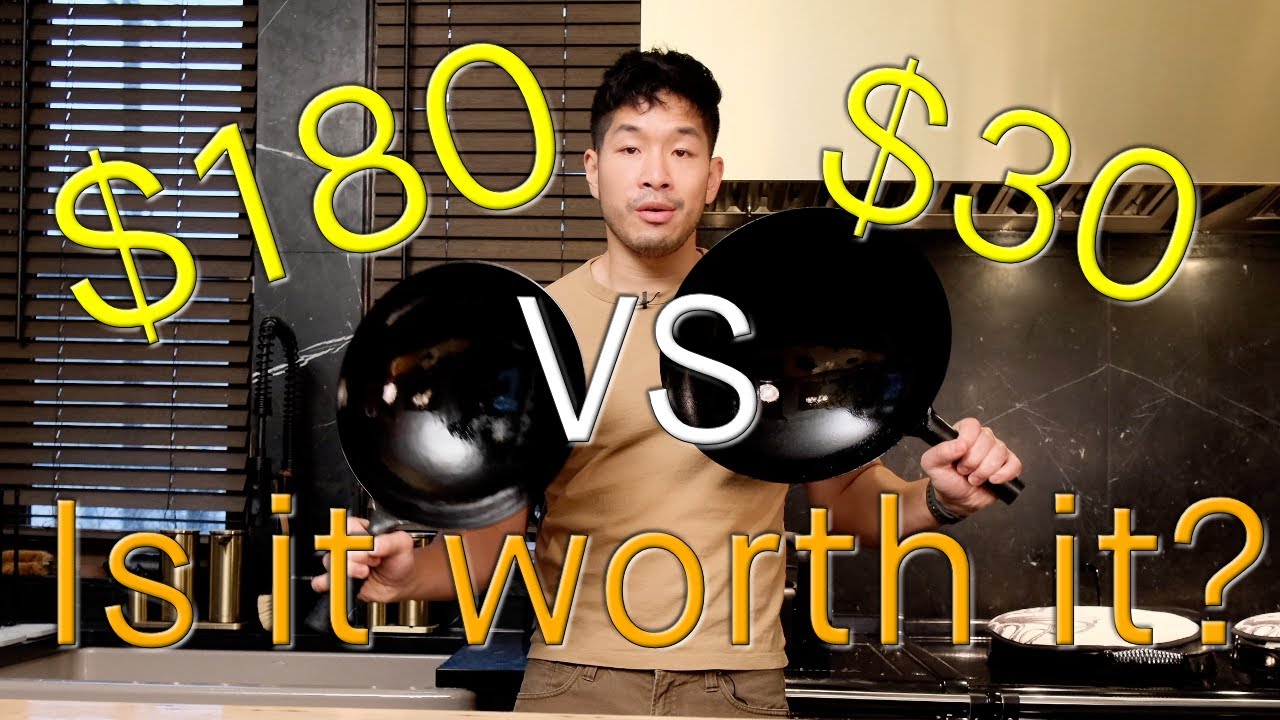
With a 12 inch wok, smaller batches save the bottom fierce. With a 14 inch, one can lengthen stirring a slightly longer because the heat envelope is broader. But regardless of length for your aspect, face up to the urge to fill the pan. Work in waves. The just right eating places do, and so they have some distance greater firepower than you.
Answering the query, cleanly
If you’ve read this a long way with a unmarried theory — what length wok do I need — right here’s the distilled reply.
- For so much homestead cooks on well-known gasoline or induction, a 12 inch carbon metallic wok is the so much trustworthy measurement for prime-warmness searing, equipped you admire batch sizes. If your burner is robust — 15,000 BTU fuel or increased, or 2,200 watts induction or higher with a good-matched base — a 14 inch wok supplies you house and a richer warm envelope for higher batches and noodles. Choose spherical-bottom with a wok ring for gas in the event that your range allows; decide on flat-bottom and healthy the bottom in your induction or electric detail. Pair size with materials thickness round 1.6 to 2.zero millimeters. Favor a care for fashion you may keep watch over. Long tackle for 12 inch agility, double ears for 14 inch steadiness.
The excellent wok feels like a dance associate who is aware of your steps. It heats fast, actions if you happen to ask, and is helping you get better if you happen to push too some distance. When the red meat turns sleek, the scallions singe at the perimeters, and the smoke curls sweet, you’ll recognize you chose neatly.